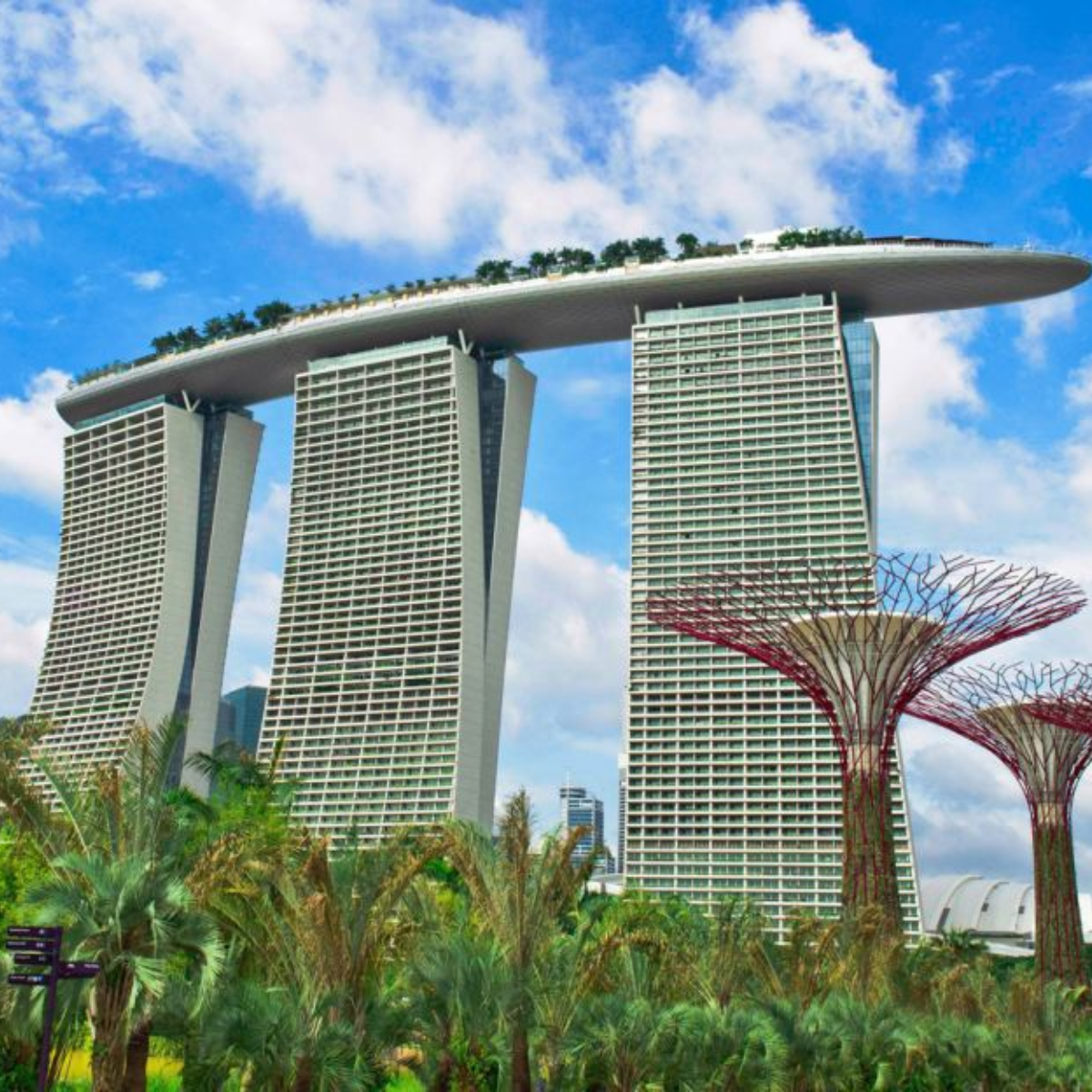
Luxury has always been about exclusivity. From private islands in the Maldives to glass-walled villas perched over Caribbean cliffs, the world’s richest travelers are always chasing the next experience that promises to outshine the last. But when the ribbon was cut on what has been billed as the world’s most luxurious resort, no one expected the real story to be about what was inside — not chandeliers, infinity pools, or Michelin-star menus, but a shocking secret that left both guests and industry insiders stunned.

A Grand Opening Like No Other
The opening of the resort was a global spectacle. Helicopters dropped VIPs onto a private helipad. Celebrities, CEOs, and royalty arrived by yacht. The resort’s website promised “an experience beyond imagination” — suites carved from rare stone, underwater dining halls, spas infused with ancient rituals, and butlers trained by former palace staff.
For weeks, glossy magazines teased its features: suites starting at $50,000 per night, wine cellars deeper than subway tunnels, and a fleet of Rolls-Royce Phantoms waiting at the entrance. Social media lit up with influencers posting selfies against marble staircases and golden fountains.
On the surface, it seemed like just another playground for the elite. Until whispers began about the guests who appeared in private corridors, away from the red carpet.
The Whispered Rumors
At first, no one believed it. Guests described catching glimpses of unexpected figures moving discreetly through the resort: not the usual crowd of Hollywood stars and tech moguls, but refugees, orphans, and even terminally ill children.
Some whispered that one wing of the resort, off-limits to the ultra-wealthy clientele, had been reserved for families who could never afford such luxury. At first, it sounded impossible. Why would the most expensive hotel on Earth open its doors to people who could not pay a cent?
But as the days went on, evidence mounted. A guest posted a photo of a child in hospital pajamas standing in front of the same infinity pool where billionaires had posed hours earlier. Another spotted families dining on caviar and truffles — not celebrities, but people in ordinary clothes who looked dazed by the opulence around them.
The internet exploded with speculation.
The Truth Behind the Walls
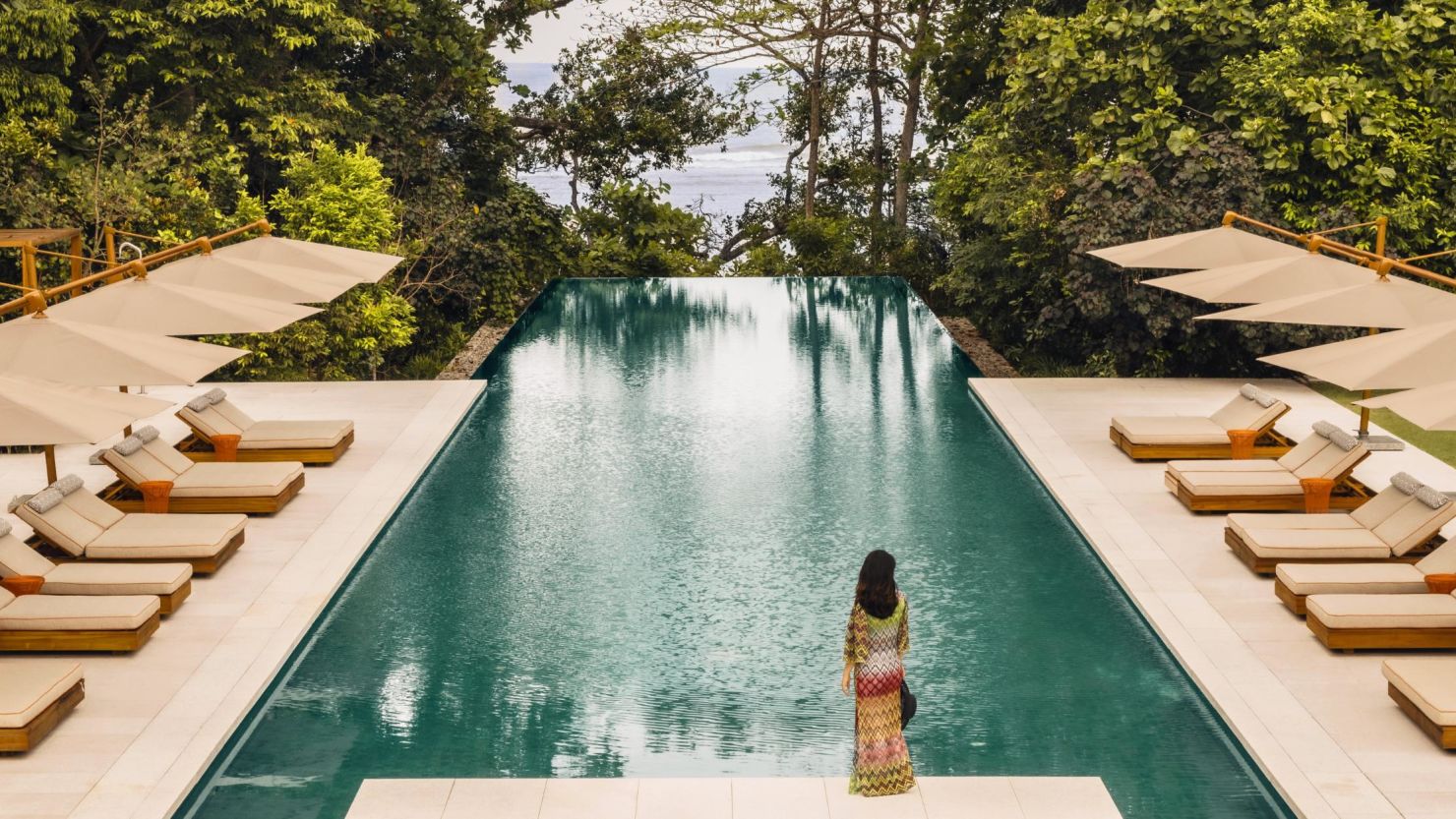
Finally, the resort’s founder, a reclusive billionaire known for his philanthropy, stepped forward with an announcement that stunned the world.
“Yes, it’s true,” he said. “One third of this resort is not for paying customers at all. It is reserved for people who have lost everything — to war, to illness, to poverty. They will live here, free of charge, experiencing the dignity and joy that wealth alone does not own.”
The revelation turned the grand opening upside down. What was meant to be just another story of excess became something far more complicated — and controversial.
Guests React
Not all of the wealthy guests were pleased. Some complained about sharing facilities with people outside their social circles. One anonymous guest reportedly told staff: “I paid fifty grand a night to rub shoulders with royalty, not… this.”
Others were deeply moved. A Hollywood actress was seen weeping as she played with children in the lobby. A tech CEO offered to sponsor an entire wing of the resort for cancer patients.
Social media divided instantly. Some praised the move as revolutionary, while critics accused the resort of staging a publicity stunt.
Why It Shocked Everyone
Experts say the shock wasn’t just about who the resort invited, but about what it revealed: a world where wealth and poverty exist side by side, often hidden, rarely acknowledged.
Dr. Karen Liu, a sociologist, noted: “Luxury has always been about separation — the rich over here, the poor over there. By collapsing those boundaries inside the most exclusive setting imaginable, the resort exposed a truth most people prefer not to see.”
The Stories Within
Journalists who were allowed into the “secret wing” discovered heartbreaking — and inspiring — stories:
-
A Syrian refugee family, who had spent years in a camp, now slept under Egyptian silk sheets. Their children had never seen the ocean until that week.
-
A 10-year-old girl with terminal cancer, granted one last adventure, swam in a pool lined with crystal mosaics. “It feels like heaven,” she whispered to her mother.
-
A widowed grandmother from Haiti dined beside royalty. When asked how she felt, she said simply: “For once in my life, I am not invisible.”
These stories spread across the globe, shifting the conversation from luxury to humanity.
The Industry on Edge
The hospitality world reeled. Competing resorts scrambled to respond, unsure whether to emulate the model or dismiss it as unsustainable. Travel executives debated whether this blend of excess and compassion was genius branding or reckless idealism.
Some predicted copycats; others warned of backlash from ultra-wealthy clients who demand exclusivity. But one thing was clear: the resort had shattered the old mold.
The Larger Lesson
Beneath the glittering chandeliers and golden fountains, the world’s most luxurious resort revealed a paradox: true luxury may not be about separation at all, but about inclusion. By daring to open its doors not only to billionaires but also to those with nothing, the resort reframed what hospitality means.
As one journalist put it: “In a place built for the richest, the most memorable moments came from those who had the least.”
Final Reflection
The resort promised unparalleled indulgence. But what truly shocked the world wasn’t the silk sheets, the golden staircases, or the $10,000 bottles of champagne. It was the sight of children, families, and survivors walking the same halls as kings and celebrities — and reminding everyone that dignity and joy are not luxuries, but rights.
And so, the world’s most luxurious resort became more than a symbol of excess. It became a question mark, challenging us all: what if real luxury is the ability to share it?
