
For more than a decade, cryptocurrencies have existed in a gray zone: too new for sweeping regulation, too decentralized for easy control, and too powerful for governments to ignore. But behind closed doors, a new consensus is forming among regulators, central banks, and lawmakers. According to insiders and leaked policy drafts, governments are quietly preparing for a coordinated global crackdown on crypto — and the measures they may take next could alter the digital economy forever.
The Growing Threat Governments See

Cryptocurrency was once dismissed as a fringe hobby for techies and libertarians. Today, it has ballooned into a multi-trillion-dollar market that threatens to upend traditional financial systems.
Governments now see crypto as a double-edged sword:
-
Financial Stability Risk: Sudden crashes in Bitcoin or Ethereum ripple into global markets.
-
Tax Evasion: Billions in untaxed gains slip through borders every year.
-
Criminal Activity: Ransomware gangs, dark web markets, and illicit transfers thrive on crypto anonymity.
-
Monetary Power: Decentralized currencies challenge central banks’ ability to control money supply and interest rates.
As one European finance minister put it: “Crypto isn’t just a curiosity anymore. It’s a rival system.”
The Secret Meetings
Reports from Brussels, Washington, and Singapore point to a series of quiet, high-level meetings in the past year. Officials from the G20, IMF, and World Bank have been holding closed-door sessions to align policies.
While the minutes aren’t public, insiders claim the discussions focus on three key areas:
-
Tracking and Surveillance
Governments want the ability to trace every transaction. Blockchain may be public, but mixers, privacy coins, and anonymous wallets make tracking difficult. Expect expanded surveillance partnerships with blockchain analytics firms. -
Banking Restrictions
Regulators may soon pressure banks to cut ties with unregistered exchanges, starving crypto companies of fiat access. This echoes Operation Choke Point in the U.S., where industries deemed risky were quietly debanked. -
Legal Frameworks for Seizure
Draft laws in several countries would make it easier for governments to freeze or confiscate digital assets tied to crime — and critics fear this power could expand to dissenters or ordinary citizens.
The Measures That Shock Experts
What has industry insiders most alarmed are the potential draconian steps governments could take next:
-
Outright Bans on Privacy Coins: Monero, Zcash, and others could be delisted globally under claims they enable crime.
-
Mandatory Digital ID for Wallets: Every crypto wallet could be tied to verified government-issued identification. Anonymity would vanish.
-
Transaction Limits: Similar to cash withdrawal caps, governments could set daily crypto transfer ceilings. Anything larger would require approval.
-
Central Bank Digital Currency (CBDC Supremacy): Once digital dollars, euros, and yuan roll out, crypto could be sidelined with taxes, fees, or outright restrictions favoring state-backed money.
-
Capital Gains “Death Blow” Taxes: Special punitive rates on crypto profits could discourage holding or transacting.
Professor Elena Rodriguez, a financial law expert, warns: “The measures won’t come all at once. They’ll arrive piece by piece, justified as anti-crime or pro-consumer — until the net is fully in place.”
The Surveillance State Angle
Perhaps the most shocking possibility is how closely crypto crackdowns tie into the rise of digital surveillance. Experts note that mandatory wallet IDs and CBDCs would give governments unprecedented visibility into private spending habits.
Critics fear this could erode freedoms: every transaction traceable, every purchase analyzed, every donation scrutinized. In authoritarian states, such systems could be weaponized against dissidents.
What began as a movement for financial freedom could, ironically, usher in one of the most controlled monetary eras in history.
Why Some Governments Move Faster
Not every country is waiting.
-
China has already banned most crypto activity and rolled out its own digital yuan.
-
India flirted with a ban, then pivoted to heavy taxation, effectively choking local adoption.
-
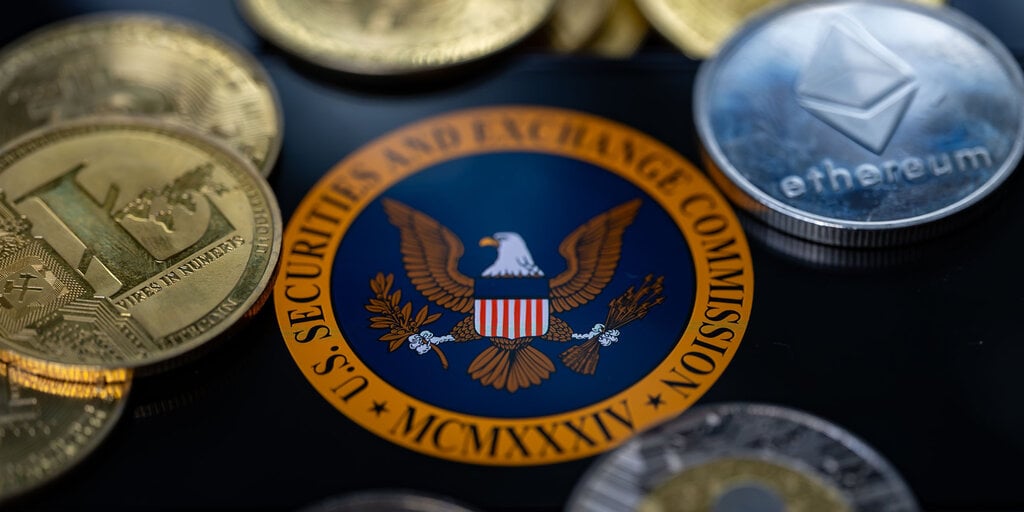
The U.S. is using regulatory agencies like the SEC and CFTC to classify tokens as securities, bringing them under strict oversight.
-
The EU passed the MiCA framework, requiring exchanges to register and comply with extensive disclosure rules.
The pattern is clear: whether through taxation, regulation, or bans, governments are converging on the same goal — control.
The Divide Among Crypto Millionaires
The looming crackdown has split the crypto rich.
-
Cashing Out: Some are liquidating while prices remain high, fearing heavy regulation could trap or devalue holdings.
-
Going Underground: Others are doubling down, moving assets into cold storage, decentralized exchanges, and privacy networks.
-
Hedging with Politics: A third group funds lobbying efforts, hoping to shape laws before they’re imposed.
As one anonymous investor told reporters: “I don’t trust governments to regulate fairly. They see crypto as competition, and competition gets crushed.”
Could the Crackdown Backfire?
Paradoxically, some experts argue that a harsh crackdown could strengthen crypto. By pushing innovation offshore, governments may drive adoption in regions more welcoming to digital assets. Decentralized exchanges and peer-to-peer networks may thrive if centralized ones are shuttered.
“Crypto was built to resist censorship,” says blockchain analyst Devon Greene. “The more governments try to strangle it, the more decentralized and resilient it becomes.”
The Hidden Truth
The hidden truth behind the looming crackdown is this: governments don’t just want to regulate crypto — they want to absorb its power. The technology threatens traditional monetary control, but it also offers tools that states crave: instant settlement, programmable money, and total traceability.
That’s why the next era may not be crypto versus government. It may be crypto becoming government — with CBDCs that look eerily like the blockchain innovations they once tried to suppress.
Final Reflection
Governments are preparing for a crypto crackdown. The shocking measures they may take — from banning privacy coins to forcing digital IDs on every wallet — could transform not just digital money, but freedom itself.
Crypto was born as a rebellion against centralized power. Now, as governments sharpen their tools, the question is whether that rebellion can survive — or whether the very technology that promised liberation will become the foundation of unprecedented control.
Either way, the next chapter in the crypto story won’t just be about price charts. It will be about who controls the future of money: the people, or the state.
