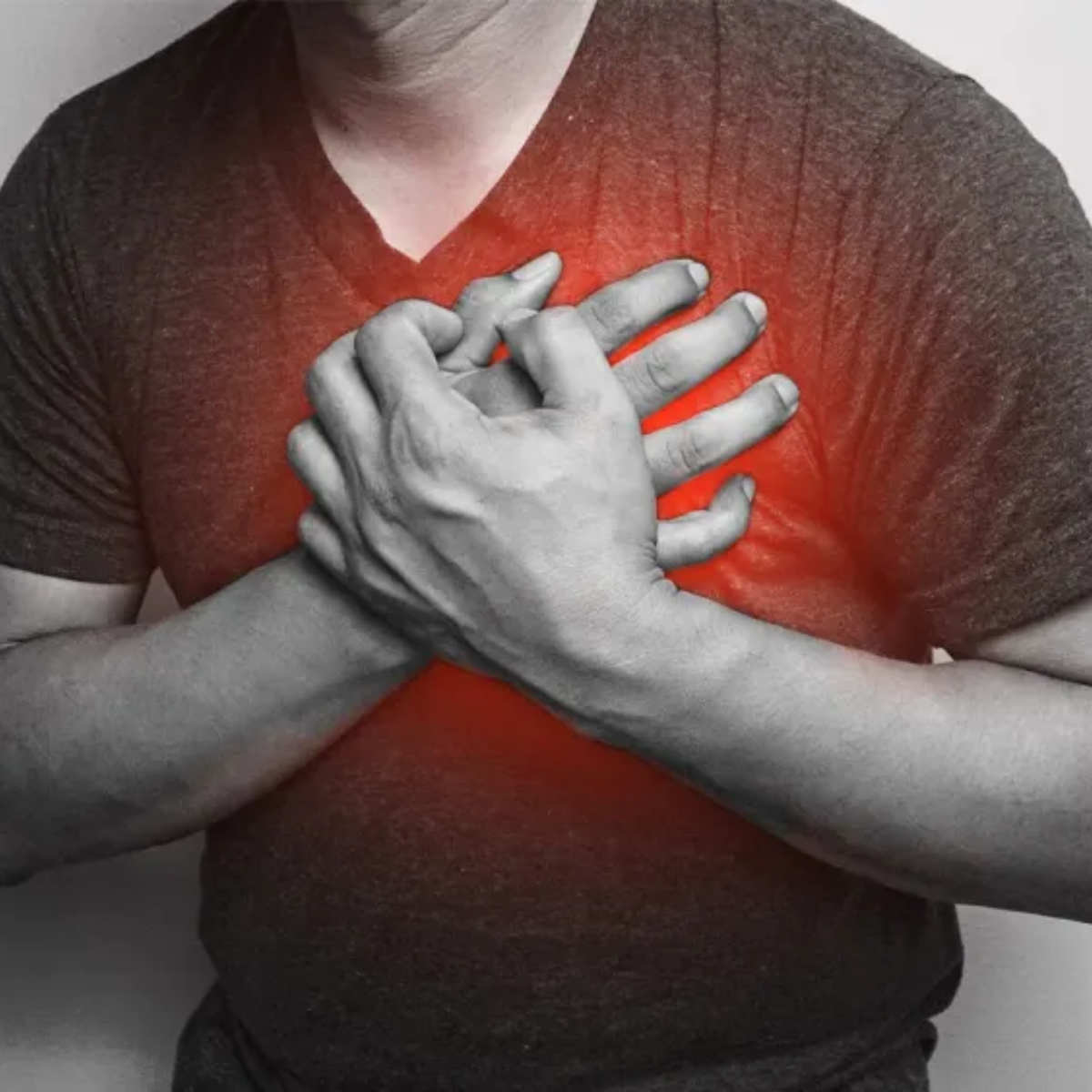
Doctors Uncover the Everyday Habit That Quietly Destroys Your Heart — But What They Recommend Instead Will Leave You Stunned
For years, doctors have warned about obvious risks to our hearts: smoking, poor diet, lack of exercise, high cholesterol. But now, cardiologists and researchers are sounding the alarm about something far more subtle, something most people do every single day without thinking twice. It isn’t fast food, alcohol, or even scrolling late at night. The culprit, they say, is so mundane that it slips under the radar — and yet it’s silently damaging millions of hearts around the world.

The shocking truth? The everyday habit of sitting for prolonged periods.
Medical experts have uncovered that spending hours seated — at desks, in cars, or on couches — is one of the most underestimated threats to cardiovascular health. Worse, even people who exercise regularly may not be spared if they sit too much. But here’s the twist: what doctors now recommend as a solution isn’t just standing up more often. The advice is far more surprising, and it could completely reshape how we think about daily health.
The Sedentary Trap: Why Sitting Is Called “the New Smoking”
For decades, workplaces and lifestyles have become increasingly sedentary. Office jobs, digital entertainment, and commuting create a routine where many people sit for 8 to 12 hours per day. At first, this seemed harmless — after all, sitting feels restful. But new studies reveal the biological toll.
When you sit for too long, several silent processes begin:
-
Blood flow slows, especially in the legs, which can lead to clotting and high blood pressure.
-
Insulin sensitivity drops, making it easier for blood sugar to spike and contribute to type 2 diabetes — a major risk factor for heart disease.
-
Cholesterol balance worsens, as “bad” LDL cholesterol increases and “good” HDL cholesterol decreases.
-
The heart weakens over time because long stretches of inactivity prevent it from maintaining its usual efficiency.
Cardiologist Dr. James Levine famously coined the phrase “sitting is the new smoking,” pointing out that the habit is linked not only to obesity and diabetes, but also directly to heart attacks, strokes, and premature death. A 2019 study published in the Journal of the American College of Cardiology found that people who sit for more than six hours per day have a 20% higher risk of dying from heart-related causes compared to those who sit less.
“But I Work Out!” — Why Exercise Alone Isn’t Enough
Here’s the part that shocks even health-conscious people: going to the gym or jogging in the morning doesn’t fully erase the damage caused by sitting the rest of the day.
Imagine this scenario: a person wakes up early, runs three miles, then spends the next eight hours at their desk, followed by an evening on the couch. Despite the morning workout, their cardiovascular system has endured a full day of inactivity stress. Researchers call this the “active couch potato” effect.
Dr. Genevieve Healy, a leading researcher on sedentary behavior, notes that even short, frequent breaks from sitting — just standing or walking for a couple of minutes — can dramatically improve glucose regulation and blood flow. “It’s not about one hour of exercise versus none,” she explains. “It’s about what your body is doing the other 15 waking hours of the day.”
The Everyday Habit Doctors Recommend Instead

So what’s the antidote? Most people assume the solution is to stand up more often or invest in a standing desk. While that helps, doctors are now recommending something much more surprising: intermittent movement, especially in microbursts of activity throughout the day.
Instead of thinking about “exercise sessions” and “rest time,” researchers advise weaving movement into every hour of life. This means:
-
Two-Minute Walks Every 30–60 Minutes
Studies show that just standing up and walking around for two minutes can offset some of the harmful effects of sitting. It keeps blood flowing, prevents sugar spikes, and lowers cholesterol risks. -
Dynamic Breaks Instead of Static Standing
Simply swapping sitting for standing isn’t enough. Standing still for hours also causes stress on the veins. The better option is dynamic breaks — pacing while on a call, stretching, or light squats. -
Incorporating “Movement Snacks”
Doctors now use this term to describe micro-activities — climbing a few stairs, marching in place, or even dancing for a minute to your favorite song. These “snacks” of activity accumulate, keeping the cardiovascular system engaged all day. -
Redesigning Daily Habits
Instead of sitting for long commutes, some people are choosing to bike part of the way. Instead of emailing a coworker across the office, they walk over. Instead of watching three episodes in a row on Netflix, they stand and stretch between each.
Dr. Francisco Lopez-Jimenez of the Mayo Clinic summarizes: “We’ve discovered that it’s not about how much you sweat in one session, but how often you move in daily life. Frequent, light activity keeps the heart healthier than long periods of inactivity broken by one big workout.”
The Biological Magic of Micro-Movements
Why do these little bursts matter so much? The answer lies in how the body responds to being idle versus being lightly active.
When muscles contract, even gently, they act as “pumps,” helping blood return to the heart. They also trigger enzymes that break down fat in the bloodstream and improve insulin function. Just two minutes of walking can lower blood sugar levels after a meal, reducing the strain on the heart.
Furthermore, consistent movement helps the lining of the arteries (the endothelium) remain flexible, which is crucial for preventing clogs and plaque buildup. In contrast, long stretches of sitting stiffen the arteries and raise blood pressure.
In short: the heart doesn’t just benefit from marathons and spin classes — it thrives on constant small reminders that the body is alive and in motion.
Case Studies: How Small Changes Save Lives
Doctors often point to real-world examples to drive the point home.
-
The Office Worker Turnaround
Jane, a 42-year-old accountant, sat for nearly 10 hours each workday. Despite running on weekends, she developed high blood pressure and pre-diabetes. Her doctor suggested setting an alarm to stand every 45 minutes. She began walking to refill her water bottle, taking calls while pacing, and doing a quick lap around the office after lunch. Six months later, her blood pressure normalized, and her blood sugar dropped to safe levels. -
The Retiree’s Routine
John, a retired teacher, thought long hours of TV were harmless after decades of active work. But after a mild heart attack, his cardiologist advised “movement snacks.” Now, John stands during commercials, stretches during news breaks, and walks around the block after meals. He lost 15 pounds and regained stamina he hadn’t felt in years.
These transformations underscore a vital truth: it doesn’t take radical gym routines to protect the heart — it takes consistency and awareness.
What About Technology? Friend or Foe?

Ironically, the very devices that encourage sitting — computers, smartphones, streaming platforms — can also become tools for better health. Fitness trackers, smartwatches, and phone reminders can nudge users to stand, move, and breathe.
Some companies now design “active offices,” where employees rotate between sitting, standing, and moving stations. Even schools are experimenting with “activity breaks” every 30 minutes to combat early-onset health problems among children.
Still, experts caution that gadgets alone won’t solve the problem. The real change happens when individuals reframe movement as a daily necessity, not a chore.
The Staggering Impact of Small Shifts
When doctors first began researching the dangers of sitting, many assumed the risks were minor compared to smoking or obesity. But now, cardiologists warn that the sedentary epidemic may rival those threats.
Consider this: if half the population incorporated just five minutes of movement for every hour of sitting, public health researchers estimate a massive reduction in heart disease rates worldwide. Hospital admissions would drop, healthcare costs would shrink, and millions of lives could be extended by years.
The Takeaway: Rethinking What “Healthy Living” Means
For generations, health advice was framed around workouts — the jog, the gym session, the aerobics class. But the new science is clear: what truly matters is not just how hard you move, but how often. The everyday habit of sitting quietly destroys the heart in silence. But the everyday habit of moving — in small, joyful, repeated bursts — rebuilds it.
The recommendation that leaves many stunned is that you don’t need heroic workouts to protect your heart. You need to stand, stretch, walk, and dance through the day, weaving movement into life’s ordinary moments.
As Dr. Lopez-Jimenez puts it: “Your heart doesn’t know whether you’re at a gym or in your kitchen. It just knows whether you’re moving.”
Final Word
The discovery about sitting may feel unsettling. After all, most people can’t quit their desk jobs or abandon commutes. But that’s exactly why the new recommendations are so powerful: they’re realistic, accessible, and achievable for nearly everyone.
Instead of thinking of health as something squeezed into an hour a day, it becomes something infused into every moment — from standing during phone calls, to walking while brainstorming, to stretching while waiting for the kettle to boil.
Doctors have uncovered a habit that silently damages the heart. But they’ve also given us a stunningly simple remedy: don’t just move more — move more often.
In the end, it may be the smallest steps, repeated daily, that carry us the farthest toward a stronger heart and a longer life.
